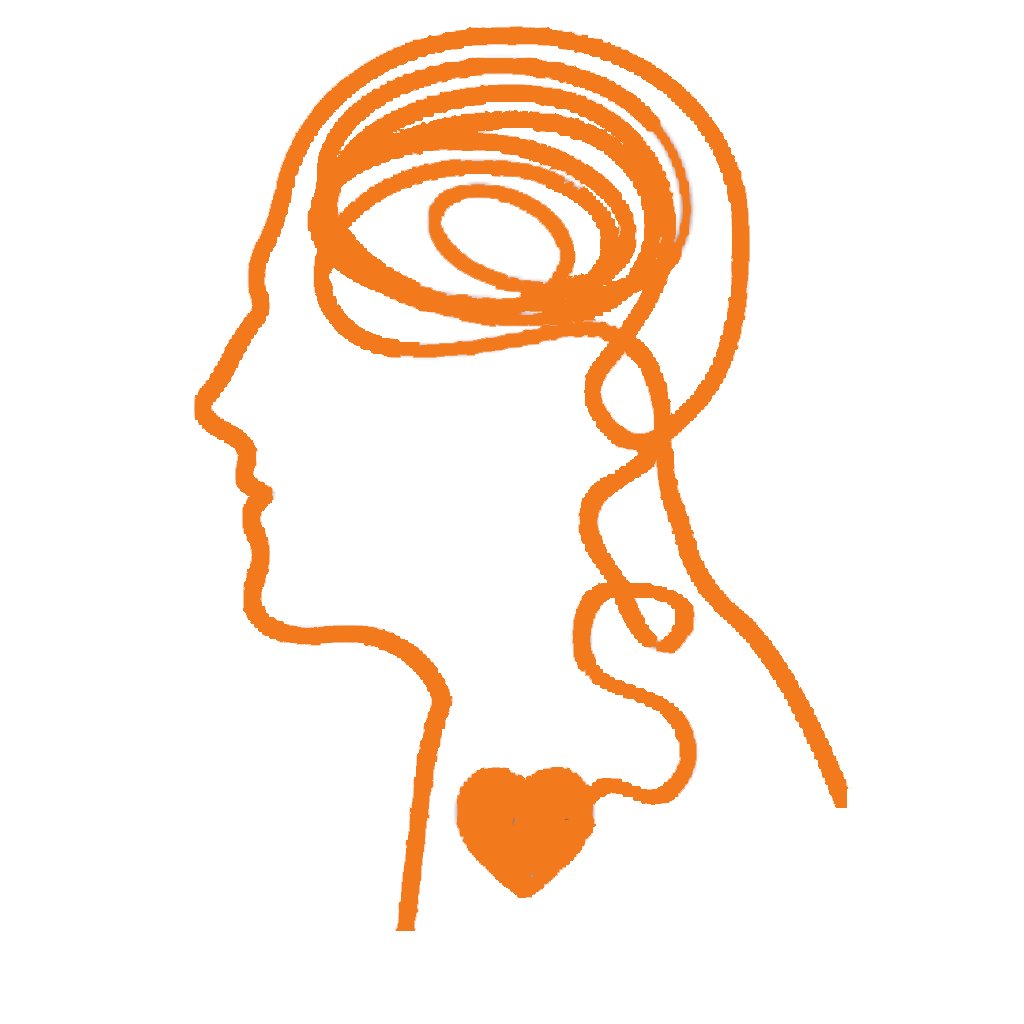
When we feel stuck, it is easy to believe that only a dramatic change will save us. We imagine leaving the job, ending the relationship, moving to another country, or beginning again with an entirely different identity.
Sometimes life does call for a major change. But dramatic movement and meaningful movement are not always the same thing.
In this week’s episode of Something New Is Possible, I sat down with Ariel Yerushalmi, a civil engineer turned videographer, storyteller, and community builder, for a conversation about creativity, intuition, abundance, and the small choices that gradually create a more aligned life.
When the Conventional Path Stops Feeling Right
Ariel studied engineering, but she carried a persistent desire to make a larger impact. She became increasingly interested in the emotional power of video and the way stories can shape what people feel, remember, and believe.
She had planned to move from Toronto to Israel on October 10. Three days before that move, October 7 changed the plan entirely. With no job or relationship keeping her in Toronto, Ariel spent six months traveling with a small drone. She began making videos to share her experiences with family and friends, and that experiment became the beginning of a new professional direction.
When she returned to Canada, she built a videography business and worked with the local Jewish community. Yet the feeling that she was meant to explore life in Israel remained. Her decision to move was not based on the promise that life would be easy. It was based on the need to discover what was true for her rather than accepting someone else’s conclusion about where she belonged.
Being Stuck Is Not a Permanent Identity
Ariel describes feeling stuck as a clogged pipe. The pipe is not broken forever, but something must move before energy can flow through it again.
That distinction matters. When we tell ourselves, “I am stuck,” we can easily turn a temporary condition into an identity. When we say, “Something is stuck,” we create the possibility that it can be understood and changed.
Ariel also makes an important point: feeling stuck is part of being human. We do not need to add guilt, shame, or impatience to an already difficult experience. We may not know how long the season will last, but we can remind ourselves that it is a season, not a final destination.
Clear the Mind, Move the Body, Create Flow
Ariel sees several dimensions to getting unstuck. The first is creating quiet in the mind. We are constantly filling every available space—with social media, work, entertainment, errands, and even well-intentioned activities. The mind needs room to breathe before new ideas can emerge.
The second is reconnecting with the body. Walking, yoga, swimming, time near the ocean, or any form of physical movement can interrupt the feeling of being frozen and bring us back into the present.
Then comes creative flow. Painting, singing, writing, dancing, filming, or making something with our hands allows movement to continue through the system. Creativity does not have to be impressive or productive. It can be five minutes of dancing in the kitchen.
This is where Ariel’s message becomes particularly useful: getting unstuck does not have to mean moving halfway across the world and abandoning your former life. Small actions accumulate. A microscopic change repeated consistently can alter the direction of a life.
Examine the Belief Around the Goal
During our conversation, I shared a question I often ask in my coaching work: Do you believe you can accomplish the goal you say you want?
We frequently focus on the external steps without examining the belief surrounding them. We create a goal, but we may have already built invisible conditions around it: it will be too difficult, people will not support me, I am too late, I do not have enough money, or someone like me cannot have that.
You do not have to leap immediately from a deeply held limiting belief to an affirmation you do not believe. Sometimes the work is simply to nudge the belief toward the next realistic possibility. That small shift can create a different perspective and make a different action available.
A Life That Allows Experimentation
Ariel describes living in Israel as challenging, frustrating, lonely, and deeply transformative. For her, it has functioned like a personal-development pressure cooker: an environment that continually asks her to adapt, experiment, and decide who she wants to become.
She is willing to try different kinds of work—engineering, teaching, videography, and other possibilities—without demanding that one choice define the rest of her life. She values being in a culture where people build unconventional lives and where having several professional identities does not automatically make someone strange.
That freedom to experiment helped Ariel become a version of herself that had once felt unattainable. The country did not remove every difficulty. It created an environment in which she felt more able to meet herself differently.
Abundance Requires Movement
Our conversation also turned toward abundance and money. Ariel described the shift from holding tightly to what she had toward allowing resources, opportunities, and money to move.
Scarcity tells us that if we release anything, nothing else will arrive. Abundance does not mean spending carelessly or denying practical reality. It means noticing when fear has turned reasonable care into grasping—and when that grasping prevents us from recognizing or receiving new possibilities.
Money is a medium of exchange, but we attach many emotional meanings to it: safety, worth, love, power, freedom, guilt, and belonging. In Neuro Emotional Coaching®, I often explore where a person holds tension or emotional blocks around receiving, holding, spending, or losing money. Awareness helps us separate the practical decision from the older belief attached to it.
Give Yourself Permission to Change Your Mind
Ariel’s closing reflection may be the most important part of the conversation.
She is practicing allowing herself to change her mind—even when an earlier version of her was certain. If intuition pointed in one direction at two o’clock and the direction no longer feels right at four, she wants to give herself permission to respond to the information she has now.
She compares this to a river meeting a rock. The river does not insist that the original route is the only valid one. It moves around the obstacle and continues flowing.
Changing your mind does not erase the work you have done or make the earlier decision meaningless. Sometimes it means you are listening. Sometimes it means you have learned. Sometimes it means that the person who made the original choice is no longer the person standing at the crossroads.
Intuition often begins as a whisper. When we repeatedly ignore it, it may need to become a scream. The practice is to give it a place at the table before life has to force our attention.
Key Takeaways
- Feeling stuck is a human experience, not a permanent identity.
- Dramatic action is not the only way to create meaningful change.
- Quiet, physical movement, and creativity can restore a sense of flow.
- Small, repeated actions often create more sustainable change than a single escape.
- Examining the belief around a goal can reveal what is keeping it out of reach.
- Abundance is not denial; it is the willingness to let resources and opportunities move.
- You are allowed to experiment, reevaluate, and change direction.
- Changing your mind can be an expression of self-trust rather than failure.
- Listen to intuition while it is whispering instead of waiting for it to scream.
If you have been feeling stuck, ask yourself what one small action could create movement today. You do not need to redesign your whole life before dinner. You may only need enough space to hear what the next honest step is.
Tune in to hear the full conversation with Ariel Yerushalmi.ule a free 30-minute consultation with me: https://calendly.com/barbara-2/exploration
Learn more about Ariel:
Ariel Yerushalmi is the founder of Cloud Nine Views and a civil engineer turned videographer, storyteller, and community builder. After leaving Toronto and making Aliyah, she built a creative career focused on capturing authentic, emotionally driven stories from Israel. Through ground-level and aerial video, she works with organizations, communities, events, and Israeli nonprofits to create content that connects people with meaningful experiences and amplifies their impact.


