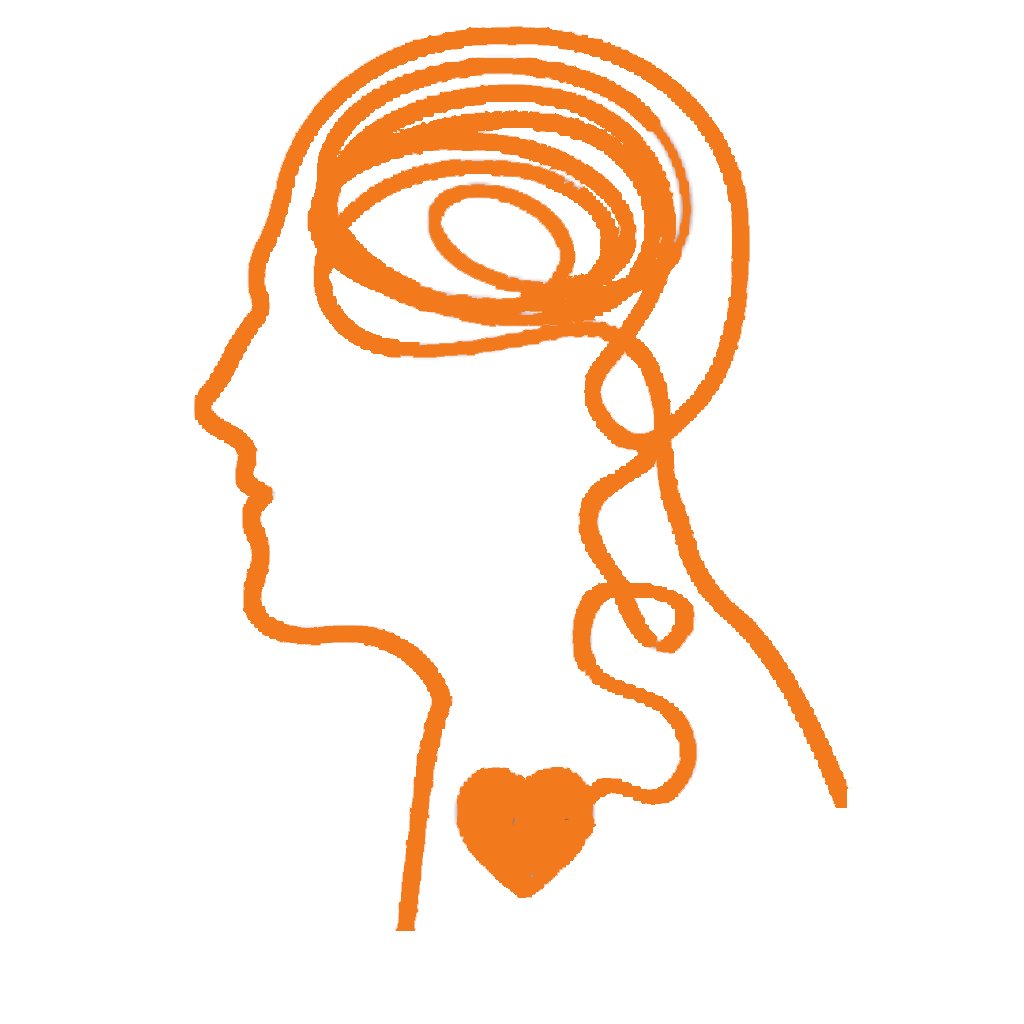
Why can you be disciplined, capable, and determined in one part of your life and feel completely unable to move in another?
It is easy to turn that question into a judgment. We tell ourselves that we should try harder, become more disciplined, or develop greater mental strength. But what if the problem is not a lack of willpower? What if part of you is working toward the goal while another part is trying to protect you from it?
In this solo episode of Something New Is Possible, I explore what may be happening beneath self-sabotage and why lasting change often requires more than conscious effort.
The Story We Have Been Told About Strength
The traditional picture of mental strength is someone who pushes through. They sacrifice, ignore discomfort, and refuse to stop until the goal has been reached.
There is something admirable about discipline. We need it to practice, learn, and continue when the first excitement wears off. But pushing is not the only form of strength, and it is not always the healthiest one.
I prefer to think of mental strength as flexibility and agility: the ability to notice when you have been triggered, understand what is happening within you, and respond without being controlled by an old emotional pattern. That does not make you less determined. It makes your determination more conscious.
When Capable People Sabotage Themselves
Most of us know what it feels like to be remarkably disciplined in one area and strangely powerless in another. You may meet every professional deadline but avoid an important personal conversation. You may care for everyone around you but repeatedly postpone caring for your own health. You may begin a goal with enormous energy and then lose momentum at the point when it starts becoming real.
The usual response is criticism: “What is wrong with me?”
A more useful question is: “What is happening inside me when I try to move forward?”
A goal, especially a meaningful or unfamiliar one, takes us beyond the comfort zone. The conscious mind may be ready, while deeper beliefs associate the goal with danger, rejection, failure, guilt, or loss. You can force your way past that conflict for a while. Eventually, however, the unresolved pattern may appear as procrastination, exhaustion, distraction, or self-sabotage.
Misalignment Is Information
In my work with Neuro Emotional Coaching®, I use muscle testing to explore whether a person feels aligned with a goal and to identify emotional triggers that may be connected to the resistance.
The purpose is not to shame the resistance or overpower it. The purpose is to understand it. A block may be connected to something that happened years ago, a belief learned within the family, or an experience the conscious mind no longer considers relevant. The reaction can remain active even when the original circumstances are gone.
When we identify what the response is trying to accomplish, we have more choices. We are no longer fighting an invisible opponent and calling ourselves weak because the fight is difficult.
Your Body Is Giving You Data
You do not need to begin with a perfect explanation. You can begin with the body.
When you think about the goal or action you have been avoiding, notice what happens. Does your breathing become shallow? Do you clench your jaw? Do your shoulders tighten? Do you feel restless, angry, afraid, resentful, vulnerable, or unexpectedly young?
These reactions are not character flaws. They are data.
Ask yourself: “How old do I feel right now?” You may be your present age, or the emotion may feel connected to a much younger version of you. Then ask whether you remember another time when you felt something similar.
The goal is not to force a memory or analyze yourself endlessly. It is simply to become curious about the relationship between the current situation and the emotional response it creates.
Creating Space Around the Trigger
Once you notice the trigger, take a breath and acknowledge it. You might imagine placing it in a container on a shelf so that you can return to it when you have the time and support to work with it. You might picture leaving it at the side of the road while you continue forward. Or you may simply say, “I see this. I feel it. I do not have to solve all of it right now.”
This is not about pretending that an emotion is gone. It is about creating enough space to choose what happens next.
If judgment is present, self-forgiveness may help. You can say, “I forgive myself for judging myself,” or name the person, situation, or circumstance you have been judging. The words may feel mechanical at first. That is okay. A practice does not have to feel profound the first time you try it.
From Force to Alignment
Willpower can help us begin, but it cannot resolve every conflict within us. If one part of you is determined to move forward while another believes the movement is unsafe, more pressure may only make the conflict louder.
Mental strength is not the absence of fear, resistance, or emotional triggers. It is the willingness to face what is happening honestly and work with it instead of attacking yourself for having it.
That shift, from force to curiosity, is often where freedom begins.
Key Takeaways
- Self-sabotage does not automatically mean you lack discipline.
- Mental strength can look like flexibility, self-awareness, and a healthy response to triggers.
- The body may reveal resistance before the conscious mind can explain it.
- A present-day block may be connected to an older emotional experience or belief.
- Creating space around a trigger can help you make a choice instead of reacting automatically.
- Self-forgiveness is a practice; it does not have to feel natural immediately.
- Willpower is most effective when your conscious goal and deeper beliefs are moving in the same direction.
If this episode makes you curious about what may be happening beneath one of your own goals, begin by noticing. Pay attention to your breath, your jaw, your emotions, and the age you feel when the resistance appears. Information is not the enemy. It gives you somewhere real to begin.
To explore these patterns more deeply, schedule a free 30-minute consultation with me: https://calendly.com/barbara-2/exploration


